Understanding how Praemostro works in practice
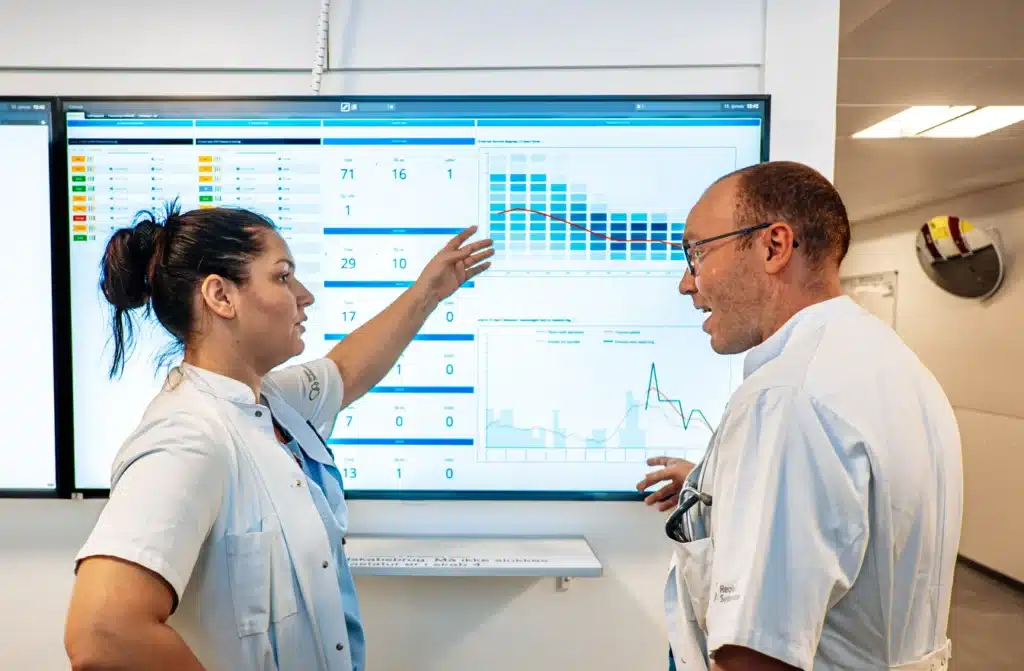
Praemostro is designed to help hospitals understand and predict pressure in their emergency departments and clinical working environments.
The system is built around a series of models and tools that together create a comprehensive overview of how patient activity develops – and how it can be translated into better decisions in practice.
In this article, you will get the full picture.
A system built on prediction and insight
At the core of Praemostro is the ability to predict how patient flow evolves over time.
It is not only about seeing how busy things are right now, but about creating a clear picture of what is coming – and when pressure is likely to change. This makes it possible to work more proactively with staffing, capacity and planning.
PraeSight – the short-term view
PraeSight is designed to provide a short-term overview of patient activity. The focus here is on the next few hours, where even small fluctuations in demand can have a significant impact on workload and patient flow within the department. The aim is to provide a real-time basis for decision-making that supports day-to-day operations.
PraePlan – the long-term view
While PraeSight focuses on the short-term perspective, PraePlan addresses longer-term planning. Here, statistical models are used to predict patterns of demand further into the future. This makes it possible to plan resources more strategically and prepare for periods of increased pressure.
From data to decision
Praemostro is built on data and statistical models that translate historical patterns into forward-looking predictions. But the value does not lie in the data alone. It lies in making the information usable in a clinical environment where decisions must be made quickly and often under pressure.
Predictions in practice
When the system is in use, it becomes part of the department’s daily planning. For example, it can support decisions related to:
- staffing
- capacity management
- allocation of resources
- handling peak demand
This provides a more stable foundation for responding to variations in patient flow.
A shared overview
An important element of Praemostro is creating a shared understanding of the situation. When everyone works from the same expectations of demand, coordination becomes easier and decisions more consistent. This can help reduce both uncertainty and pressure in the working environment..
In summary
Praemostro consists of several layers that together create a system for understanding and predicting patient flow:
- short-term forecasts of acute demand
- longer-term planning models
- visual and actionable decision support
- a shared understanding of activity trends
It is the interaction between these elements that makes the system applicable in practice.
Want to take a look into the future together?
Get in touch and we’ll get back to you as soon as possible